Dots & Dashes

Interfacing Teletypes and Paper Tape

Search every volume:

?

How to search

sten gun
pages with both words
"sten gun"
the words together, as a phrase
sten OR sterling
either one (| works too)
sten -replica
leave out pages that mention “replica”

Without quotes, the last word also matches longer words that start with it (sten finds Stenophylla), and close word forms count (rifle finds rifles). Tick Exact words to match whole words only.

Whole deep dives are listed first, then the pages inside them.

    Volumes
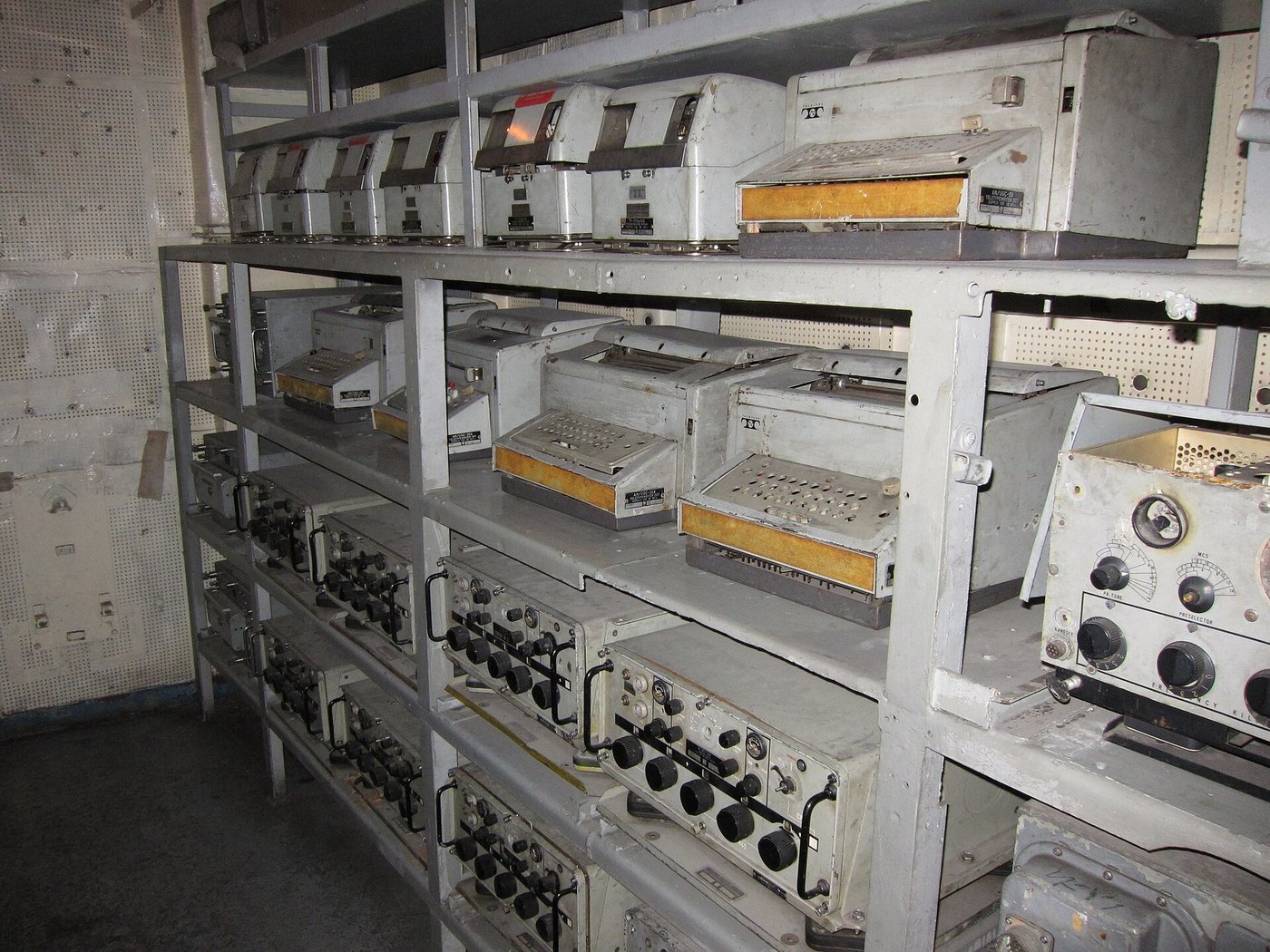
    1. Vol 1 Interfacing Teletypes and Paper Tape — Vol 1: The Current Loop Why a teleprinter signals with current instead of voltage, neutral and polar loops, 60 mA and 20 mA, what the selector magnet's inductance does to every edge, the arithmetic of a loop, how to measure one, and how not to be hurt by it.
    2. Vol 2 Interfacing Teletypes and Paper Tape — Vol 2: Loop Supplies, Old and New The station rectifiers and Navy supplies the machines were built for, the hobbyist's transformer-and-resistor supply, spark suppression on the contacts, and a complete modern design: 48 volts, a MOSFET current sink and a clamp, worked through value by value.
    3. Vol 3 Interfacing Teletypes and Paper Tape — Vol 3: Talking to a Computer — the Hardware Sensing a loop with an optocoupler, keying one with a high-voltage transistor or MOSFET, keeping the computer isolated, which USB-serial chips can and cannot do five bits at 45 baud, the ASCII machines' passive loops, and the interfaces that exist today.
    4. Vol 4 Interfacing Teletypes and Paper Tape — Vol 4: Talking to a Computer — the Software The start-stop character and its odd speeds, ITA2 and US-TTY, the LTRS/FIGS dance and unshift-on-space, getting 45.45 baud out of Linux, a USB chip or a Pico's PIO, the programs that drive teletypes today, and how the ASCII machines differ.
    5. Vol 5 Interfacing Teletypes and Paper Tape — Vol 5: A Real Machine on the Air RTTY.COM and its archive, terminal units old and new, putting a teleprinter between an HF rig's audio and its keying line, and a worked example: printing the ITTY news on a real teletype.
    6. Vol 6 Interfacing Teletypes and Paper Tape — Vol 6: Paper Tape In and Out of the Computer The tape as a data format, chadded and chadless, punching tape from a computer, reading it back through a transmitter-distributor or an optical reader, eyeball banners and Baudot art, and archiving old tapes by scanning them.
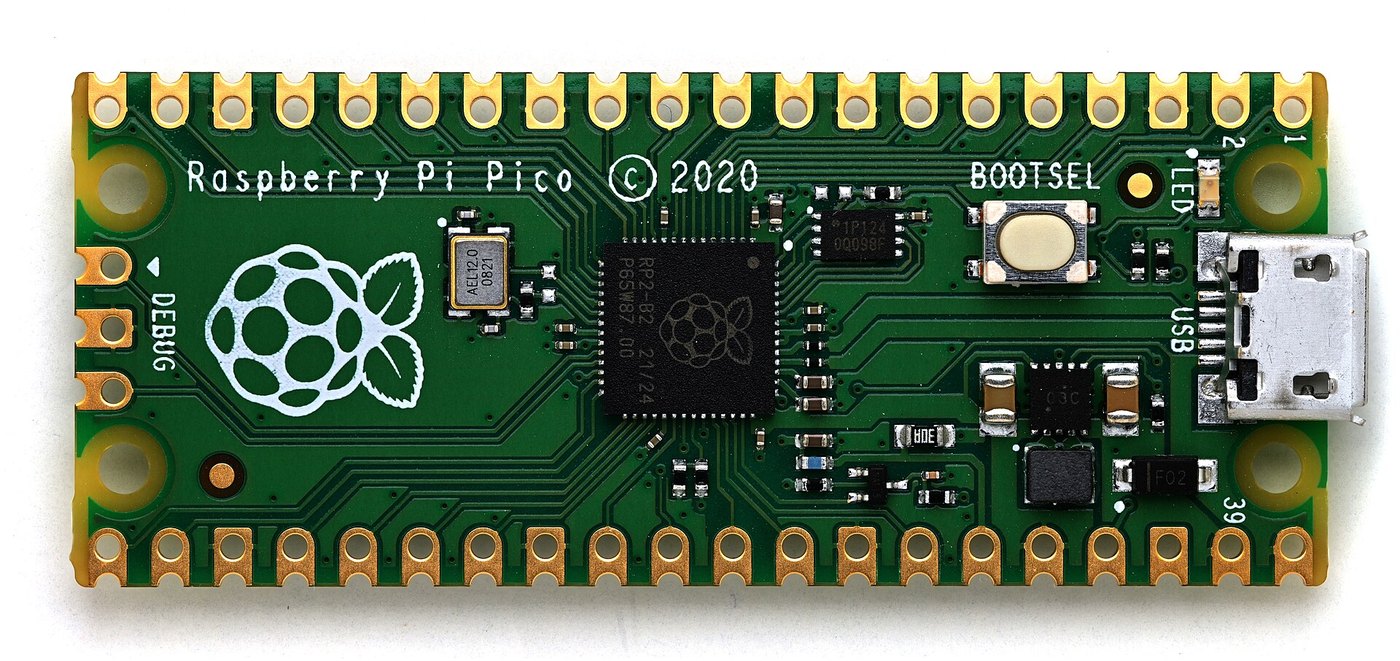
    7. Vol 7 Interfacing Teletypes and Paper Tape — Vol 7: Two Builds — a Pico Loop Interface and an Optical Tape Reader A Raspberry Pi Pico interface that puts any 60 mA or 20 mA teleprinter on USB, with its schematic, parts, firmware and bring-up; a hand-pulled optical reader for 5- and 8-level tape; and the PURPLE cipher-machine replica they are meant for.