Semi-Automatic Bugs · Volume 2
Semi-Automatic Bugs — Vol 2: The Vibroplex Menagerie and the Champions
A century of models from black-japanned Original to gold-plated Presentation, the rival makers, the fastest fist that ever lived, and why the bug — displaced but never killed by the electronic keyer — is still worth hunting for.
2.1 One design, a hundred years of variations
The beauty of Martin’s 1904 mechanism is that it was right the first time — so the century that followed is mostly variations on finish, base size, and trim rather than reinvention. Knowing the main Vibroplex models lets you date almost any bug you pick up at a hamfest, and it’s half the fun of collecting. Here are the ones worth knowing.
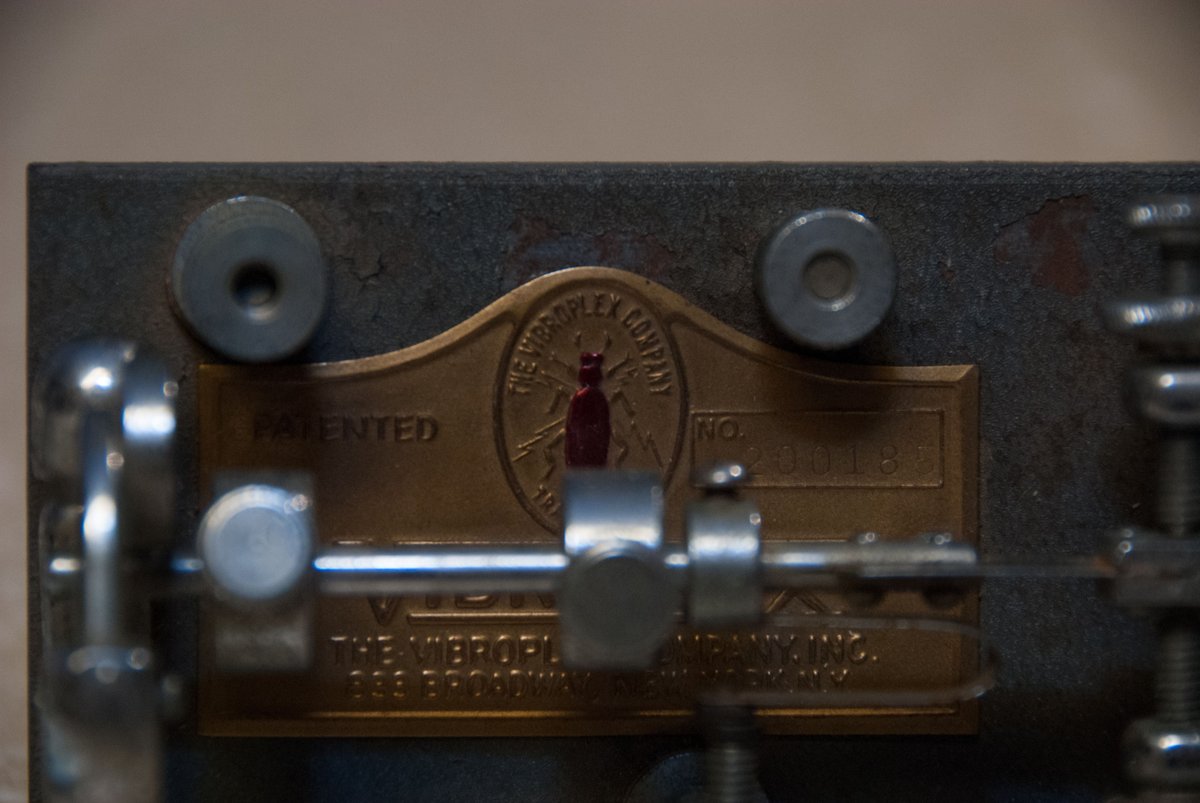
Table 1 — One design, a hundred years of variations
| Model | Era | What sets it apart |
|---|---|---|
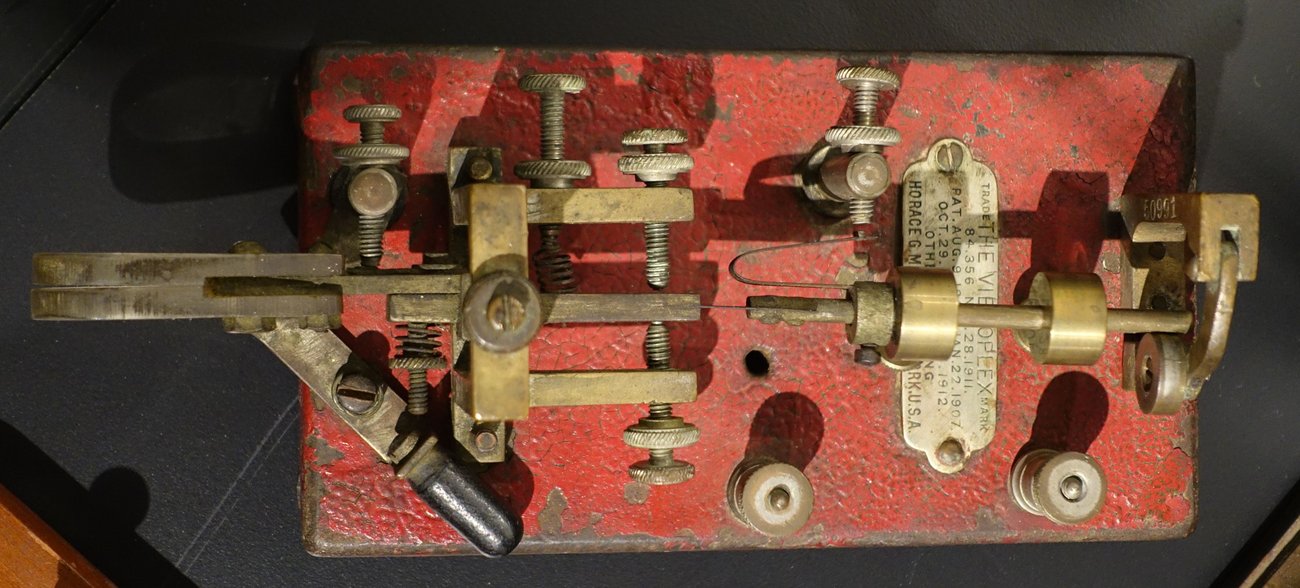
| Original | 1905 – present | The standard ~6⅜ × 3½″ base; earliest finish black japanned with gold pinstriping. The archetype. |
| Blue Racer | from 1914 | A narrow (~2.5″) base with smaller, lighter parts — faster-feeling; named for its optional cobalt-blue lacquer. |
| Lightning Bug | c.1927 – 1979 | An assembled-frame design with a flat lever shaft; long-running and common. |
| Champion | 1939 – 1979 | A cost-reduced Lightning Bug on a normal base — the affordable everyman bug. |
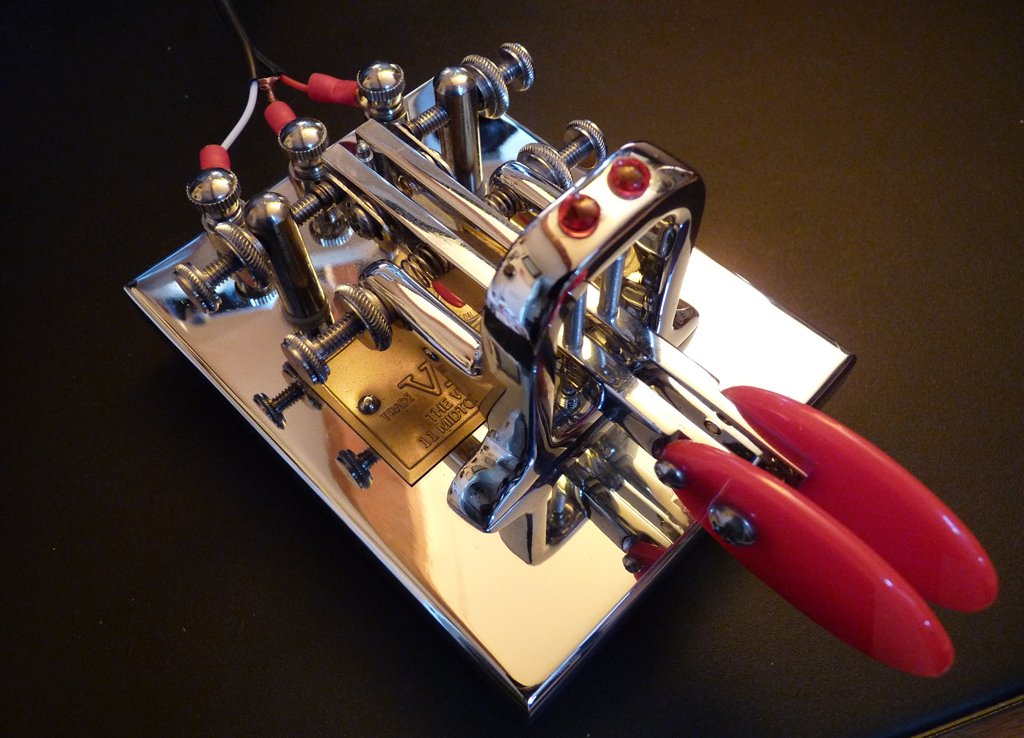
| Deluxe / Original Deluxe | ~1939 – 40 | Chrome-plated base, jeweled bearings, red plastic fittings — the polished upgrade. |
| Presentation (Super-Deluxe) | from 1948 | The Deluxe plus a gold-plated brass plate on the base — the chrome-and-gold showpiece. |
A wartime footnote a collector should recognize: during the WWII chrome shortage (c.1942–45) Vibroplex shipped bugs with a “battleship gray” base (still with jeweled bearings and red fittings). A gray-based Vibroplex isn’t a fluke or a repaint — it’s a war baby.
2.2 Finishes — and yes, the brass
Part of why bugs are so collectable is that the same clever mechanism came dressed a dozen ways: the sober black-japanned Original with its gold pinstripe, the jaunty cobalt-blue Blue Racer, the mirror-chrome Deluxe, the gold-plated Presentation, and the grim wartime gray. And underneath and around all of them is brass — the polished brass and nickel-steel of the mechanism, the brass trim, the brass nameplate. I make no secret of loving brass keys, and a good bug is a brass lover’s object even when its base is enameled black: the moving heart of it gleams. A vintage brass-heavy bug catching the light on the operating desk is, to me, one of the prettiest things in radio.
2.3 The champions and the rivals
Vibroplex was first and biggest, but it was never alone, and the bug era produced one genuine legend.
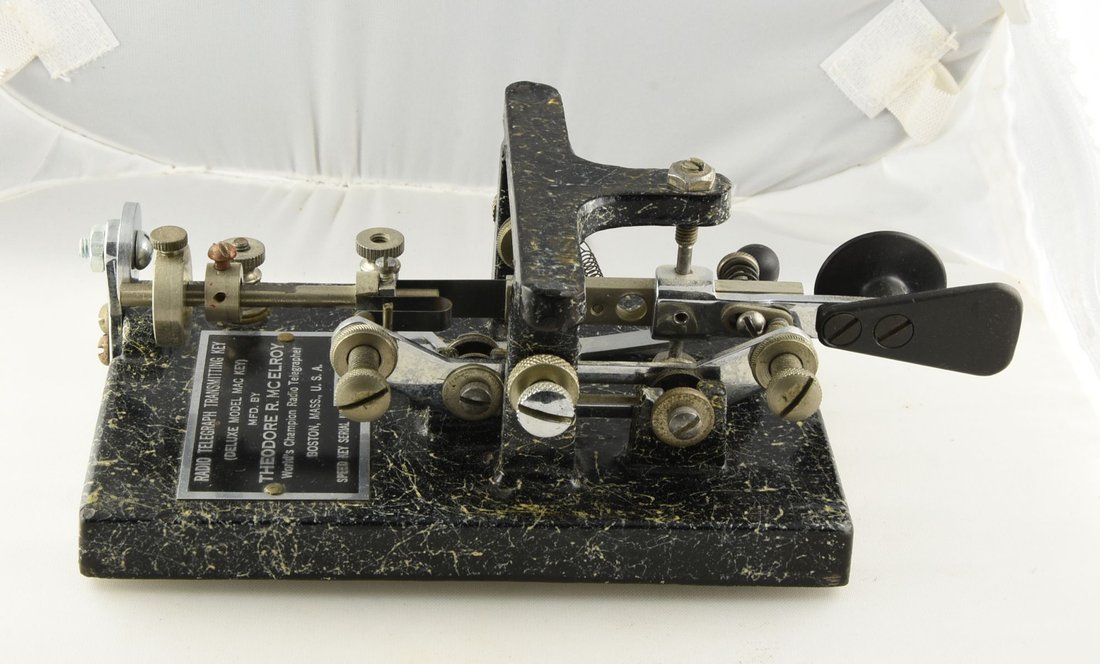
Ted McElroy — Theodore Roosevelt McElroy — is the fastest fist that ever lived. On 2 July 1939, in Asheville, North Carolina, he set a world code-copying record of 75.2 words per minute that has never been broken. He was also a keymaker: from 1934 he built and sold the “Mac-Key” bugs and straight keys, many stamped “World’s Champion Radio Telegrapher.” A McElroy key carries a bit of that aura — the tool of the man who could copy code faster than most people can read.
Other makers worth knowing when you’re turning over bugs at a flea market:
- Martin’s own later keys — after selling his Vibroplex interest, Horace Martin produced competing “Martin Flash” keys in the late 1930s–40s.
- Speed-X — a well-known brand run by Les Logan (1937–47) before it passed to E. F. Johnson; Logan-era Speed-X keys used cast-zinc frames that can grow brittle and crack, so inspect the T-bar.
- J. H. Bunnell “Gold Bug” — an early semi-automatic with a reputation for a slightly “mushy” feel; never as beloved as the Vibroplex.
- Mecograph — an early competitor from the bug’s first decade.
2.4 Why the bug faded — and why it didn’t die
The bug’s reign ended the way the straight key’s had: the machine took over the other half of the timing. Starting in the late 1950s the electronic keyer — the separate paddle plus a circuit that times both dits and dahs — began to displace the semi-automatic key (Vibroplex itself read the room and built its first keyer paddle, the single-lever Vibrokeyer, in 1960, and iambic paddles in the 1970s). An electronic keyer is objectively easier to send clean code with, so from the 1960s–70s onward it largely superseded the bug for everyday use.
But “superseded” is not “killed.” Bugs are still made, still sold, and still swung on the air every day by operators who want that mechanical swing in their fist — and they are one of the most collected objects in all of amateur radio, precisely because Martin got the design so right that a 1905 Original still works perfectly and a 1948 Presentation is still beautiful. That’s the thing about this whole ladder of keys: each rung was displaced by the next, and not one of them actually went away. The bug earned its place, and it kept it.
2.4.1 Sources (Vol 2)
- K4LRG “Vibroplex History” and the Vibroplex Collector’s Page (vibroplexcollector.net) — model names, base sizes, finishes, and eras (Original, Blue Racer 1914, Lightning Bug c.1927, Champion 1939, Deluxe ~1939–40, Presentation 1948, wartime gray). https://history.k4lrg.org/Projects/Vibroplex_History.html · https://www.vibroplexcollector.net
- ARRL — Ted McElroy’s 75.2 WPM record (Asheville, 2 July 1939) and the Mac-Key (from 1934). http://www.arrl.org/Events/view/15729 ; telegraphkeys.com “McElroy.”
- Other makers: telegraphkeys.com “Speed-X” (Les Logan 1937–47, cast-zinc frames) and “McElroy”; morsemad.com “bugs” (Bunnell Gold Bug); K4LRG (Martin Flash).
- The keyer transition (Vibrokeyer 1960; iambic paddles 1970s; electronic keyers time both elements): Wikipedia “Keyer”; electronics-notes.com “Mechanical bug / Vibroplex Morse key.” Cross-links: Keys & Keyers → Paddles & Electronic Keyers and → The Hi-Mound UFO.