A Fubsy Polymath subdomain
Dots & Dashes
Morse code, telegraph keys, teletype/RTTY, and their modern digital descendants — a hands-on, picture-heavy history of sending text by dots, holes, and tones, by N0SWN. From Morse & Vail in 1844 through brass keys, semi-automatic bugs, and electronic keyers to teletype machines, punched paper tape, HF RTTY, and the Raspberry Pi.
27 of 27 topics live so far.
?
How to search
sten gun- pages with both words
"sten gun"- the words together, as a phrase
sten OR sterling- either one (
|works too) sten -replica- leave out pages that mention “replica”
Without quotes, the last word also matches longer words that start with it (sten finds Stenophylla), and close word forms count (rifle finds rifles). Tick Exact words to match whole words only.
Other words for the same thing are searched too (uniselector also finds stepping switch), ranked below pages with your own words; the results say what else was searched. Quotes or Exact words turn that off.
Whole deep dives are listed first, then the pages inside them. Click a topic under the box to narrow the results.
Tick Photos to search the captions of every photo and diagram; each picture opens where it sits in its volume. The Show row narrows to one kind of result: volumes, deep dives, photos, parts lists, Library documents or downloads.
The wire
The Telegraph
The landline era: the electric telegraph, its sounders and relays, and the brass keys of the operators who worked it.


The code
Morse & CW
The code itself — where it came from, how it is built from dits, dahs and silence, and how to learn to hear and send it.


The hand
Keys & Keyers
The sending instrument, rung by rung: straight keys, bugs, paddles and electronic keyers, autokeyers, and building your own.


The machine
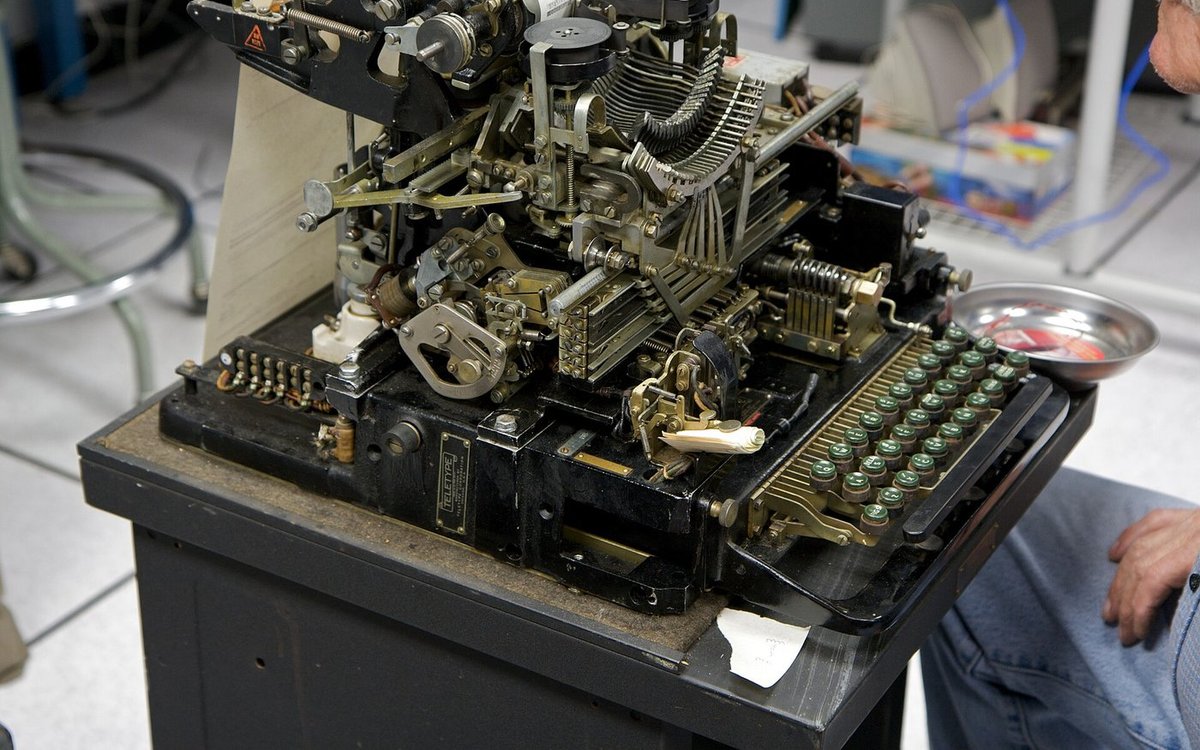
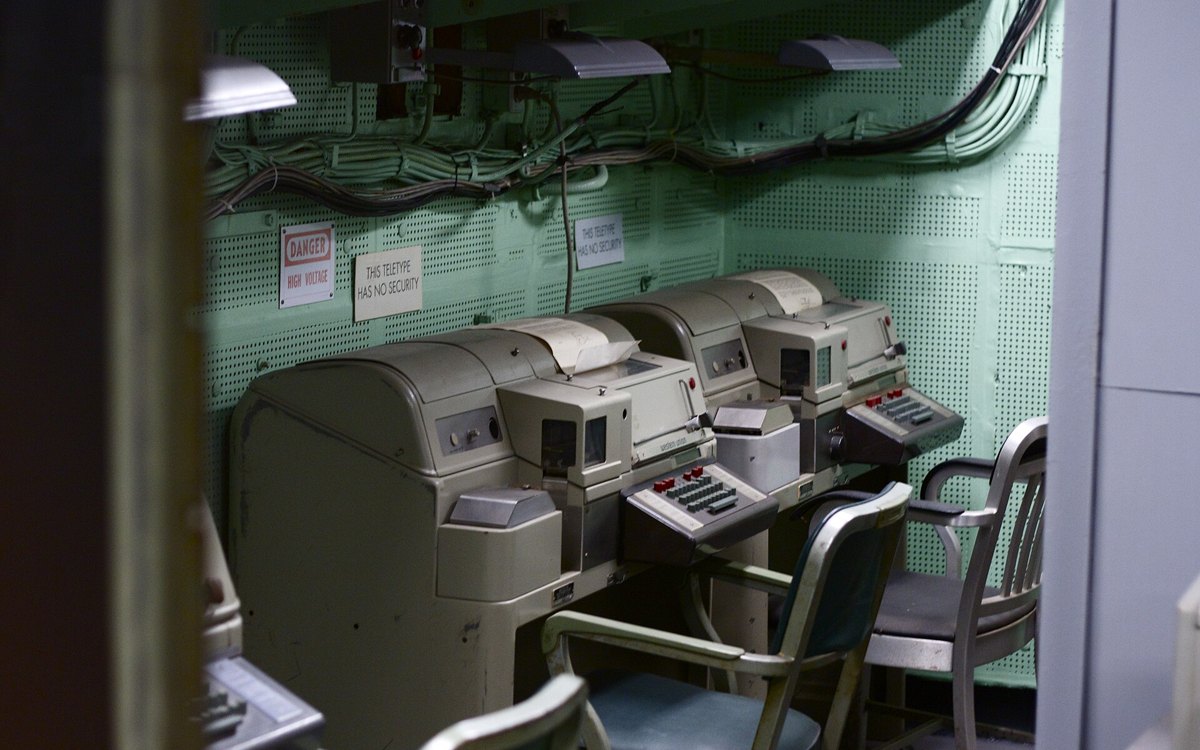
Teletype, Tape & RTTY
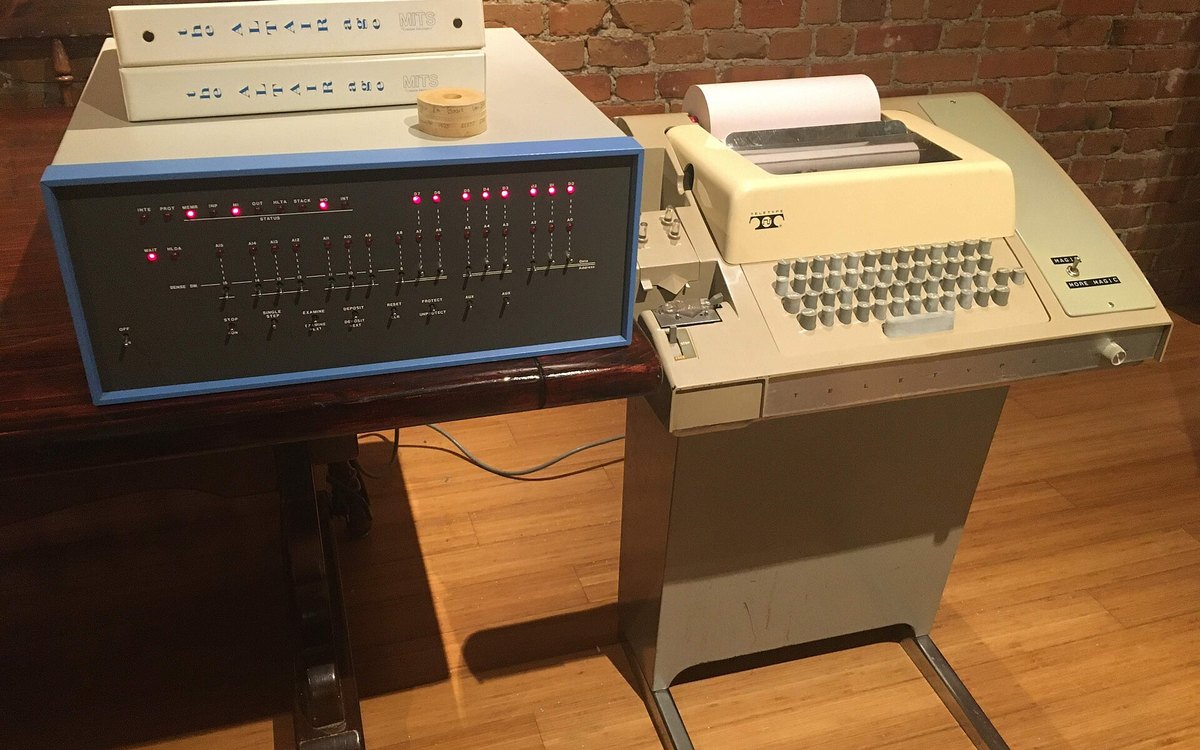
Where the key gives way to a keyboard and a printer: teletype machines, punched paper tape, RTTY on the air, and keeping the iron running.
 Live
 Live
 Live
 Live
 Live
 Live
 Live
 Live
 Live
The wave
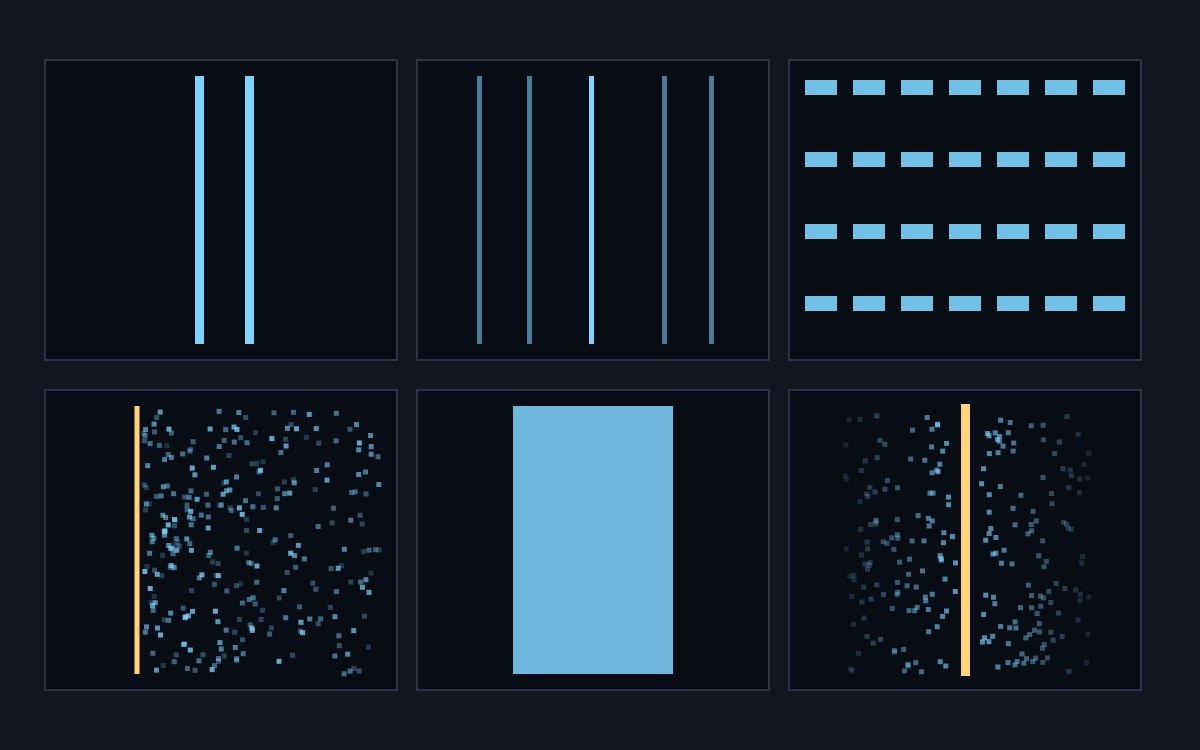
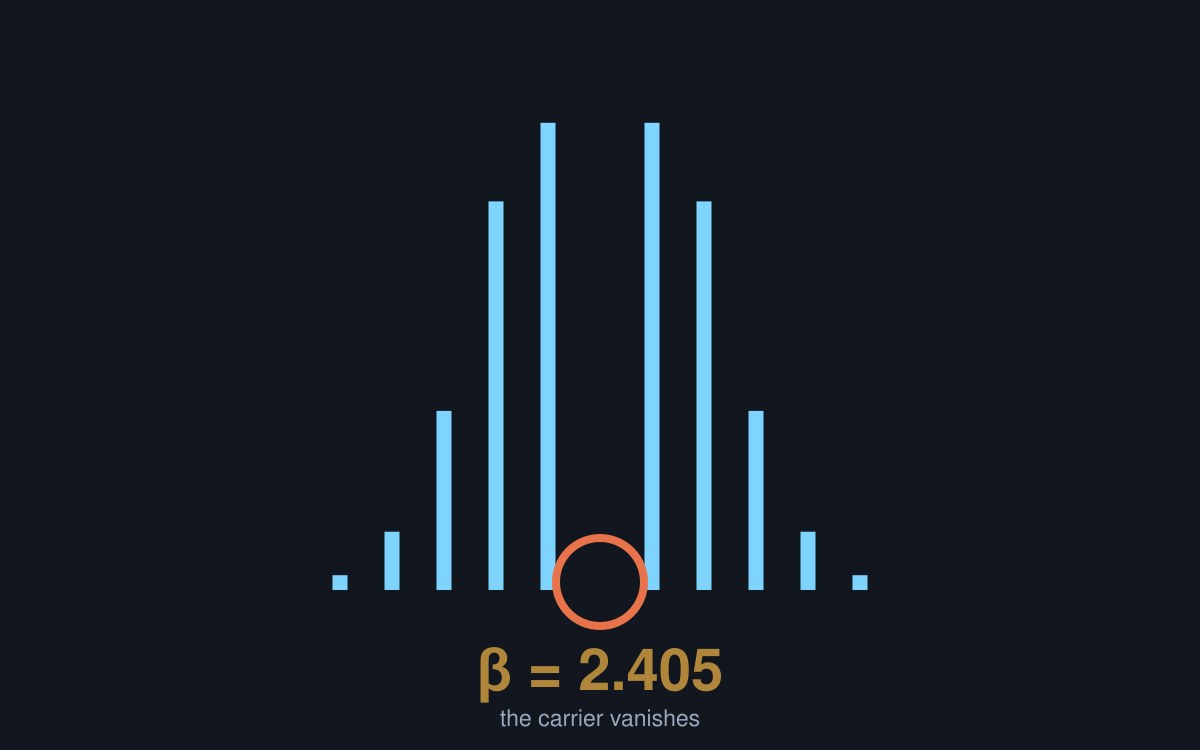
Wireless Modes
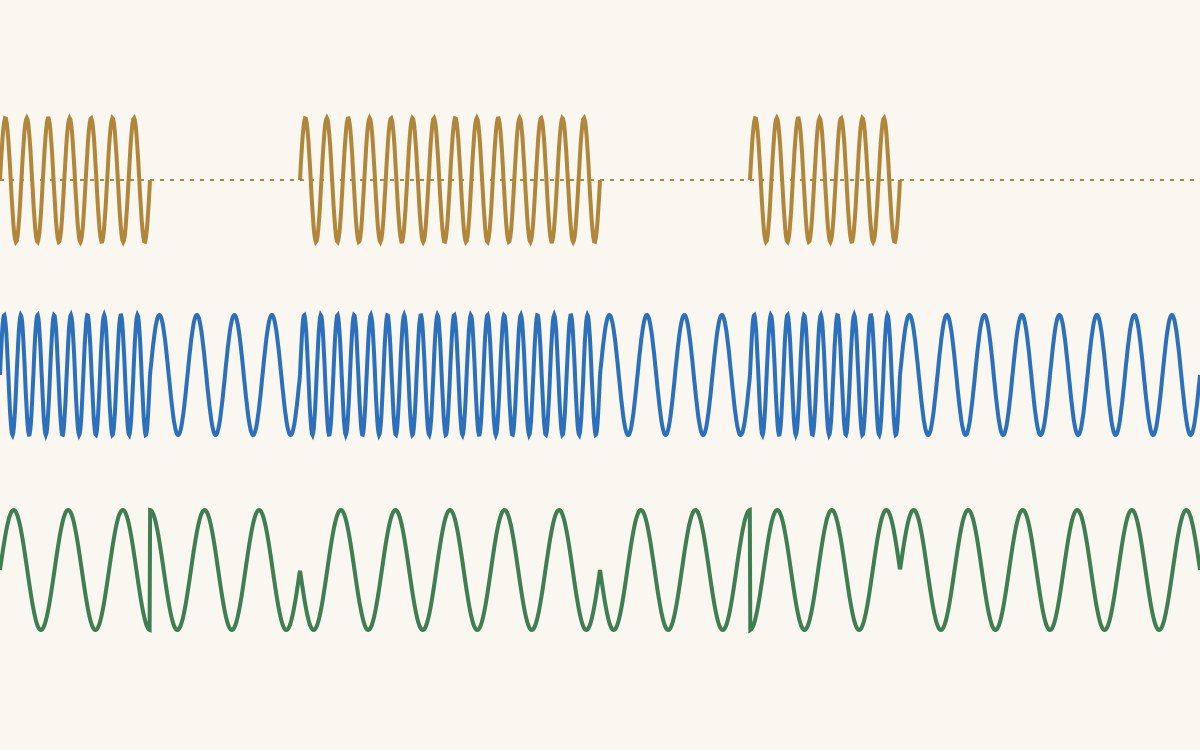
What you do to a radio wave to make it carry a message — AM, SSB, FM, the shift-keying family, and the weak-signal modes.
 Live
 Live
 Live
 Live
 Live
 Live
In service
Military & Maritime Radio
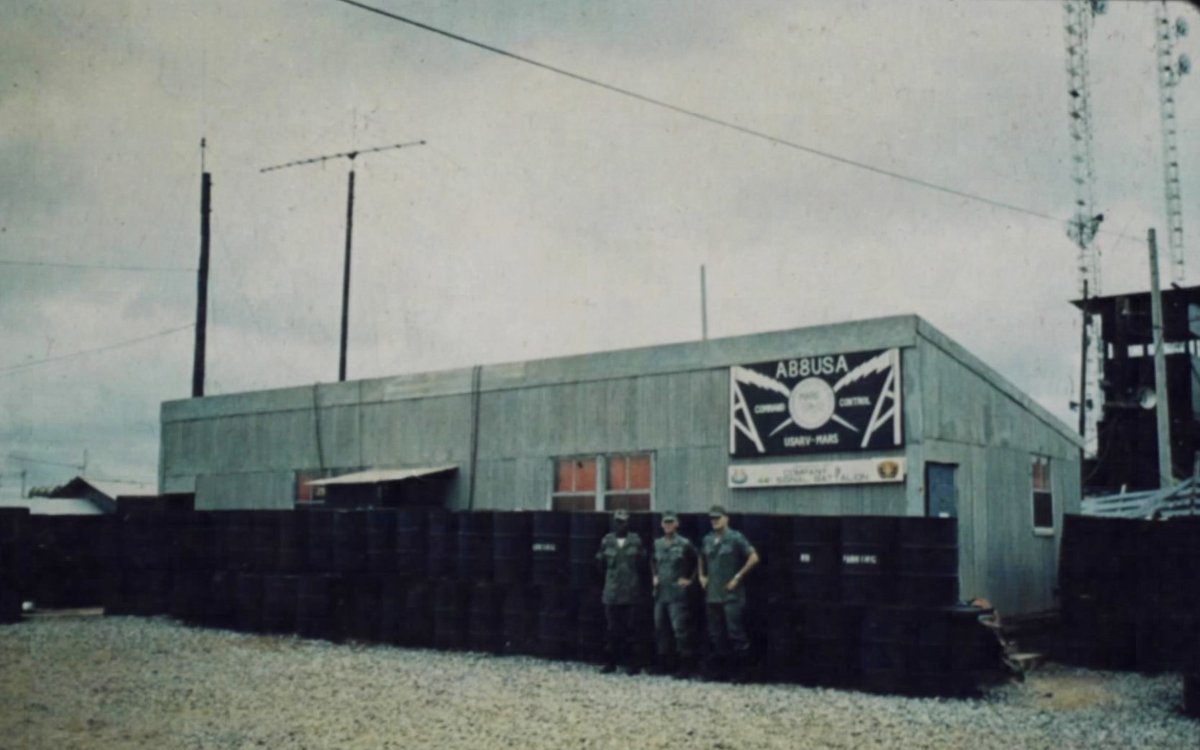
Radio run for and by the armed forces — starting with MARS, the Military Auxiliary Radio System, where volunteers patched service members through to home.